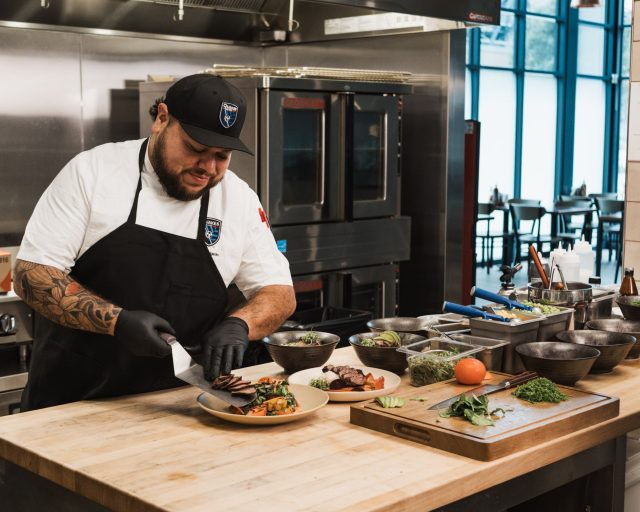
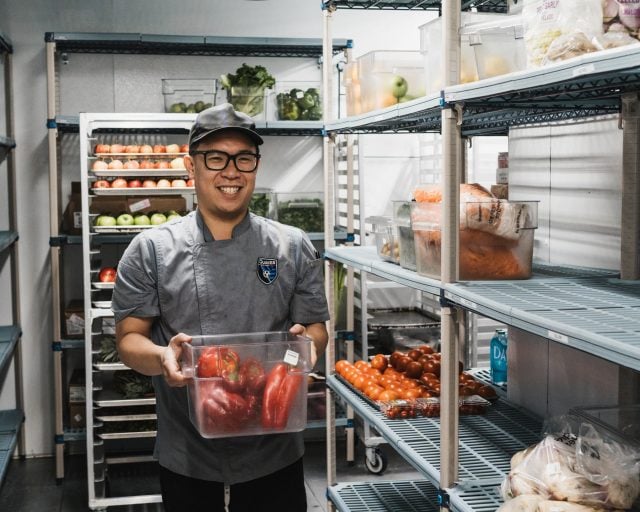
At Thomas Cuisine, we believe in the power of REAL food. Meals crafted with care, rooted in tradition, and full of nourishing, natural ingredients. This quarter, we are taking a closer look at how seasonal harvests and cultural practices from around the world can inspire both vibrant flavors and longer lives.
Here is what’s catching our eye (and filling our plates) this season:
Tomatoes: A Seasonal Superfood
Tomatoes reach their peak in Mexico during July and August, and they offer more than just a delicious base for sauces and salsas. They are rich in lycopene, a powerful antioxidant shown to help reduce cancer risk. The redder the tomato, the higher the lycopene, and cooking them boosts their benefits even more¹. That is a win for scratch-made marinara, roasted tomato soups, and slow-simmered stews.
Green Chiles: Bold Flavor with Benefits
Green chiles are at their best in August and September, and they bring more than just heat. These peppers contain phytochemicals with antioxidant, anti-inflammatory, and even anti-allergy properties². They are a flavorful addition to meals and a functional one too.

The Japanese Longevity Lifestyle
In Okinawa, Japan, where many residents live well into their 90s and beyond, meals are filled with fresh, seasonal foods like vegetables, fish, rice, seaweed, and soy. One of the most powerful habits is “hara hachi bu,” the practice of eating until you are 80 percent full³. It is a mindful approach that supports digestion, energy, and longevity.

Beans: A Global Staple for Health
Beans are having a well-deserved spotlight. A 2004 study showed that eating just two tablespoons of beans a day was linked to an 8 percent reduction in mortality risk⁴. They are packed with complex carbs, fiber, protein, and essential minerals⁵, fueling the body in a way that is both satisfying and sustainable. Beans are also easy to grow and give back to the soil by enriching it with nitrogen⁶. Whether in chili, salads, or hummus, beans bring both nutrition and stewardship to the table.
The Power of Seasonal Eating
Fruits and vegetables picked at peak ripeness are not just tastier. They are more nutrient-dense, filled with higher levels of vitamins, minerals, and antioxidants⁷. That is why we align our menus with the seasons, celebrating what is fresh, local, and full of flavor.

Lessons from the World’s Longest-Living Communities
In regions known for high longevity, from Mediterranean villages to Okinawa, there is a shared pattern. Meals are rich in vegetables, legumes, herbs, and spices, with moderate amounts of fish and thoughtfully sourced proteins⁸. Many of these communities enjoy meat as part of a balanced diet, especially when it comes from high-quality, pasture-raised sources. It is not about cutting foods out. It is about balance, tradition, and quality.
The REAL Food Takeaway
From tomatoes on the vine to time-tested practices around the world, we are reminded that REAL food is about more than flavor. It is about how we feel, how we live, and how we care for our communities. At Thomas Cuisine, we bring these global inspirations to life through scratch-made, seasonal menus that nourish both body and soul.
Let’s keep learning, sharing, and enjoying the foods that support a life well-lived.
Sources
- Illinois Food Science & Human Nutrition: How Healthy Are Tomatoes?
- National Library of Medicine: Antioxidant, Anti-Obesity, Nutritional and Other Beneficial Effects of Different Chili Pepper
- Caprara, G. (2018). Diet and longevity: the effects of traditional eating habits on human lifespan extension, Mediterranean Journal of Nutrition and Metabolism, 11(3), 261-294
- Sarmadi-Blackberry, Wahlqvist ML, et al. (2004). Legumes: the most important dietary predictor of survival in older people of different ethnicities, Asia Pac J Clin Nutr, 13(2), 217-220
- Southeast Asian J Trop Med Public Health. (1997). Nutritional value of legumes, 28 Suppl 2, 100-112
- Pulses.org: Sustainable Superfoods
- Mayo Clinic: Picked at Their Peakness – diet.mayoclinic.org
- Caprara, G. (2018). Diet and longevity: the effects of traditional eating habits on human lifespan extension, Mediterranean Journal of Nutrition and Metabolism, 11(3), 261-294