Exploring the Mediterranean Diet: Simple, Healthy, and Delicious
The Mediterranean diet has gained widespread recognition for its many health benefits, including its potential to improve cardiovascular health, reduce the risk of stroke, and promote longevity. Originating from the traditional eating patterns of 18 countries bordering the Mediterranean Sea, this diet isn’t just about food—it’s a way of life.
At the Planetree 2024 Person-Centered Care Forum, we were thrilled to present a Cultivate Teaching Kitchen demo focused on this diet. As proud Planetree Implementation partners, we highlighted key benefits of the Mediterranean diet and its role in promoting health and wellness through nutritious, scratch-cooked meals. Explore some of the insights from our presentation below!
The Core of the Mediterranean Diet
At its heart, the Mediterranean diet is rich in plant-based foods, minimally processed ingredients, and healthy fats. Research dating back to the 1950s revealed that people in Mediterranean regions had lower rates of cardiovascular disease and lived longer, healthier lives. Here are the key characteristics of the diet:
- Plant-Based Focus: A variety of fruits, vegetables, whole grains, legumes, nuts, and seeds form the bulk of this diet.
- Healthy Fats: Unlike diets that focus on low-fat intake, the Mediterranean diet includes moderate to high amounts of healthy fats, primarily from olive oil, nuts, and fatty fish. These sources are rich in omega-3 fatty acids, which are known for their heart-healthy benefits.
- Minimally Processed: This diet encourages eating seasonal and local foods when possible, minimizing processed items and emphasizing freshness.
- Moderation in Meat: Animal proteins, particularly red meat, are consumed in limited quantities. Fish, especially fatty varieties, take center stage instead.
- Herbs and Spices Over Salt: Dishes are flavored with a wide variety of herbs and spices, reducing the need for salt while still providing vibrant flavor.
- Moderate Alcohol Consumption: Wine, particularly red wine, is often enjoyed in moderation with meals.

Food as Medicine
The Mediterranean lifestyle treats food as more than just fuel—it’s seen as a form of medicine. Every meal can either promote health or contribute to illness. By focusing on nutrient-dense, plant-based foods and healthy fats, the Mediterranean diet not only supports physical well-being but also helps in preventing diseases like heart disease, diabetes, and even certain cancers.
Simplicity and Flexibility
While the health benefits are impressive, the Mediterranean diet is also practical and adaptable. It’s built on simple, wholesome ingredients that are easy to find and even easier to prepare at home.
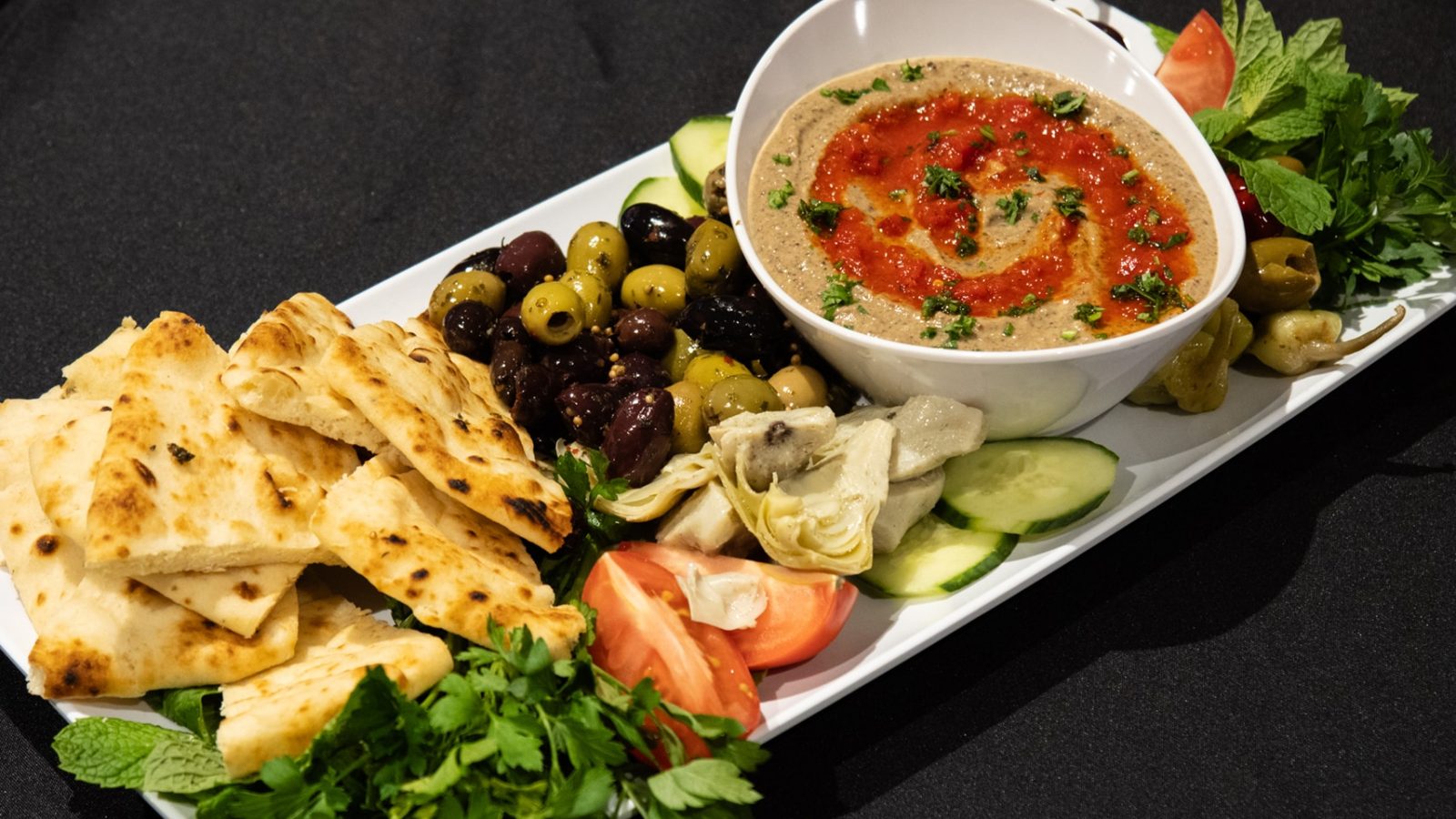
For example, in our recent Mediterranean-themed cooking demonstration, we prepared a few dishes that reflect the simplicity of this lifestyle:
Full Recipes Available Here
- Hummus: Made with chickpeas, tahini, garlic, lemon juice, and olive oil, this versatile dip is a perfect example of a plant-based food that’s easy to make at home. You can experiment with different legumes, such as black-eyed peas or black chickpeas, to match local sourcing or your personal preferences.
- Tabbouleh Salad: A traditional Middle Eastern salad, tabbouleh features bulgur wheat, parsley, mint, cucumber, and tomatoes, all dressed with olive oil and lemon juice. It’s a light, refreshing dish packed with antioxidants and fiber.
- Banana Walnut Ice Cream: Yes, even dessert can be healthy! Our simple three-ingredient recipe combines frozen bananas, peanut butter, and walnuts for a creamy, guilt-free treat that’s naturally sweetened by the bananas. It’s proof that you don’t need refined sugars to enjoy something sweet.
The Importance of Local and Seasonal Foods
One of the unique aspects of the Mediterranean diet is its focus on local and seasonal ingredients. When produce is harvested at its peak, it retains the highest nutritional value. However, as food travels and sits in storage, its nutrient content declines. By sourcing from local farmers’ markets or even growing your own produce, you can enjoy food that is fresher and richer in nutrients.