By Jayne Pinskey, On-Site Dietitian for the San Jose Earthquakes
Recovery starts the moment training ends. For athletes, that means replenishing glycogen, repairing muscle, and rehydrating quickly. One of my favorite tools for this? A nutrient-packed smoothie. It is simple, fast, and delivers everything your body needs after a tough session.
Why Smoothies Work for Recovery
After exercise, your muscles are primed to absorb nutrients. This window is the perfect time to:
- Restore glycogen with carbohydrates
- Kickstart muscle repair with protein
- Reduce inflammation with antioxidants
- Rehydrate with fluids and electrolytes
Smoothies check all these boxes in one easy-to-digest option.
Building the Perfect Recovery Smoothie
A great recovery smoothie includes:
- Carbohydrates from fruit for quick energy
- Protein from Greek yogurt, milk, or protein powder
- Healthy fats from nut butter, chia seeds, or flaxseed
- Colorful produce like spinach or berries for antioxidants and micronutrients
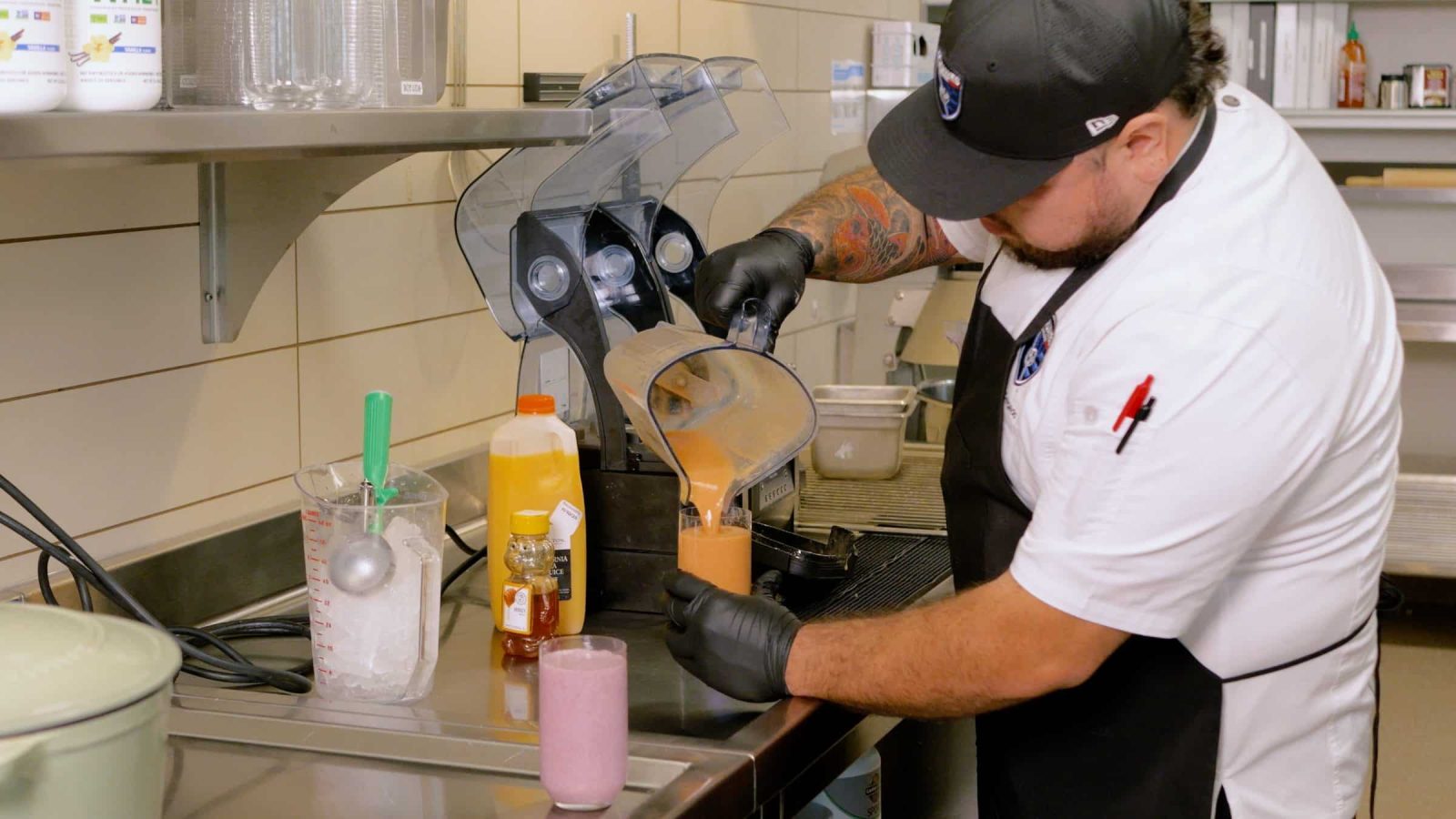
Green Power Smoothie Recipe:
- Spinach: 1 cup
- Banana: ½ each
- Avocado: ¼
- Mango (Frozen): ½ cup
- Pineapple (Frozen): ½ cup
- Orange Juice: 1 cup
- Ice: ½ cup
Timing Tips
Aim to refuel within 30 to 60 minutes after training. This helps maximize muscle protein synthesis and speed up glycogen replenishment. If you cannot eat a full meal right away, a smoothie is the perfect bridge until your next plate.
Everyday Athlete Takeaways
You do not need a professional kitchen to make this work. Try these quick combos:
- Banana, milk, protein powder, and peanut butter
- Frozen berries, Greek yogurt, and spinach
- Mango, coconut water, and chia seeds
Blend, sip, and recover like a pro.
Bottom Line
Recovery is not just about rest. It starts with what you put in your body. A well-balanced smoothie delivers carbs, protein, healthy fats, and hydration in one convenient cup. Make it part of your post-workout routine to feel stronger and ready for the next session.
Want to learn more about our foodservice management for sports? Connect with us here.
Sources
1. International Society of Sports Nutrition Position Stand: Nutrient Timing
2. Academy of Nutrition and Dietetics: Nutrition and Athletic Performance
3. USADA Sports Nutrition Guide