Protein plays a crucial role in our body’s ability to function. It consists of amino acids, the building blocks that are required for repairing and building muscles, bones, hormones, and antibodies that keep our defenses up against illnesses and infections. It also does an excellent job keeping us full – it’s more filling than both carbs and fats.
Many proteins come from animals, such as dairy, eggs, fish, and meat. Animal-based proteins contain all 9 essential amino acids our bodies need to repair and rebuild. Plant proteins can also be a beneficial addition to our diet, including buckwheat, quinoa, and soy.
Now that we’ve established the importance of protein, let’s dive into why to steer clear of processed meats and the difference between grass-fed and grass-finished beef.
Our Approach to Protein in our Cafes
At Thomas Cuisine, we care about the right balance of food. Getting enough protein in our diet helps us avoid muscle loss, slow metabolism, fatigue, and low iron levels. That’s why we regularly serve whole muscle meats such as chicken, salmon, grass-fed beef, and seafood. Meanwhile, we stay away from processed and cured meats, such as hot dogs and salami, which are known to be high in sodium and classified by the World Health Organization as potentially carcinogenic. (1)
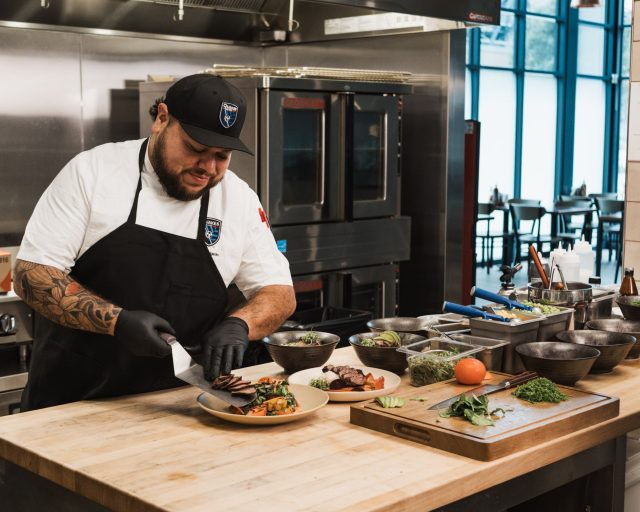
When selecting items within our cafes, you can feel confident in your choices because the majority of our proteins are house-roasted, hand-formed, and house-smoked! Our chefs craft recipes from scratch, so you’re not reliant on a processed, low-quality protein for your meal. This makes our protein options fresh, flavorful, and delicious to add to your favorite salads, entrees, or other composed dishes. These additions bring a burst of flavor and nutritional goodness, making it easy to enjoy the taste of healthy choices.

Grass-Fed vs. Grass-Finished: What’s the Difference?
As part of our Central Montana Beef program, we provide our client partners with steady access to premium proteins. This is thanks to our partnership with Central Montana Beef, a local ranch in Montana backed by 9 generations of cattle ranchers.
What drew Thomas Cuisine to Central Montana Beef is their dedication to clean, nourishing beef — free from hormones, additives, and preservatives. They not only commit to grass-fed cattle, but grass-finished cattle.
What’s the difference between grass-fed and grass-finished? Grass-fed beef is what you often see on labels and signs, but it can be misleading. Grass-fed beef only means that the cattle are started on a grass diet, but many are on supplemental diets of grain byproducts, corn, soy, and so on. Then the cattle can gain weight faster and produce more meat.
Grass-finished beef, on the other hand, is a complete grass-fed diet. Grass-finished cattle graze on pastures, consuming grass, plants, and shrubs throughout their entire lives. They are also often referred to as “pasture-raised” cattle, as they never consume corn or grain byproducts, which are not part of their natural diet. This is the cleanest, most nourishing form of beef available to us.
Unfortunately, in the past there have been no strict guidelines for grass-fed labeling. Recent regulations by the United States Department of Agriculture (USDA) and the Food Safety and Inspection Service (FSIS) look to change this. (2)
Other Benefits of Grass-Finished vs. Grass-Fed or Grain-Fed
Here’s more to consider when comparing grass-finished, grass-fed, and grain-fed cattle:
- Cattle naturally thrive on a diet of grass. Introducing grain feed disrupts their digestive processes, which can alter stomach acidity and create conditions favorable for bacterial growth. (3)
- Grain-fed cows often consume hormones such as synthetic estrogen, testosterone, and growth hormones to expedite weight gain. Consuming beef from hormone-treated cattle means ingesting these hormones as well — which may have long-term health effects on those who eat it. (4)
- Both grass-fed and grain-fed beef provide essential nutrients like vitamin B, protein, iron, and zinc. However, grain-fed beef contains significantly more saturated fat than grass-finished beef, which is less conducive to a healthy diet. (5)
- Grass-finished beef is more environmentally friendly because it reduces methane emissions from cows, which account for somewhere between 11-19% of global greenhouse gas emissions depending on the year. Through rotational grazing, pasture-raised cows help sequester carbon dioxide and enrich the soil, unlike feedlot-raised cattle whose diet can produce toxic waste. (6)
- Grass-finished cattle typically spend their days roaming freely in open pastures, breathing fresh air, and are processed for meat at a more thoughtful pace. The natural environment contributes to the overall health and happiness of the cattle, which is more humane and may also result in meat tastier and more nutritious meat.
Overall, a grass-finished approach to beef has benefits for our health, the animal’s care, and the planet. Thomas Cuisine is committed to providing the highest quality, cleanest ingredients as part of our REAL food mission. To learn more about our Central Montana Beef program or how we serve REAL food, reach out to the team.