By Jayne Pinskey, On-Site Dietitian for the San Jose Earthquakes
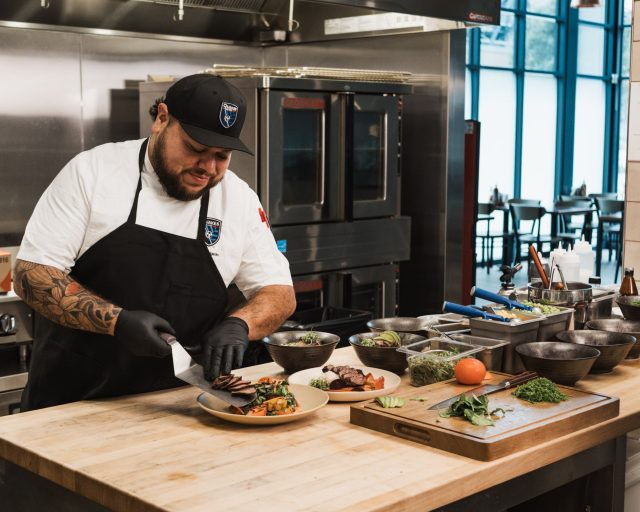
Training does not end when the whistle blows. Recovery begins the moment you finish, and what you eat after exercise can make or break your next performance. At the San Jose Earthquakes café, we build recovery plates with intention to help players refuel, repair, and recharge.
Why Recovery Nutrition Matters
After intense training, your body needs:
- Carbohydrates to replenish glycogen stores
- Protein to repair muscle and support growth
- Colorful produce for hydration and anti-inflammatory benefits
Skipping this step can delay recovery, increase soreness, and reduce readiness for the next session.
The Anatomy of a Recovery Plate
A balanced recovery plate includes:
- Carbs: Rice, quinoa, or whole grains for energy restoration
- Protein: Lean sources like shrimp, chicken, or steak for muscle repair
- Color: Vegetables and fruits for antioxidants and hydration
Healthy fats such as avocado or olive oil can be added in moderation to support nutrient absorption and reduce inflammation.
Examples from Our Quakes Café
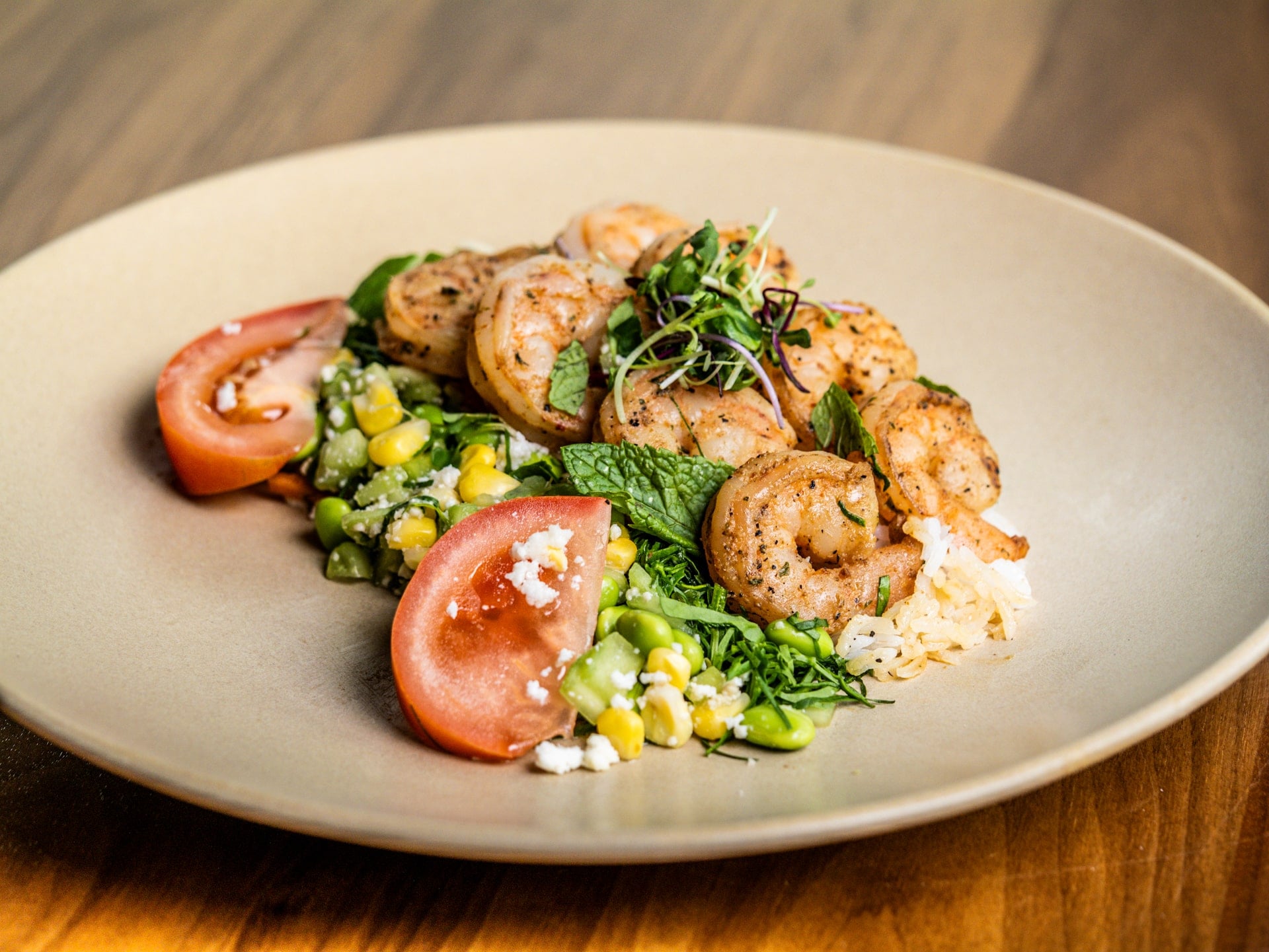
Shrimp Bowl: Shrimp for lean protein, rice for glycogen replenishment, and a colorful mix of vegetables for hydration and antioxidants.
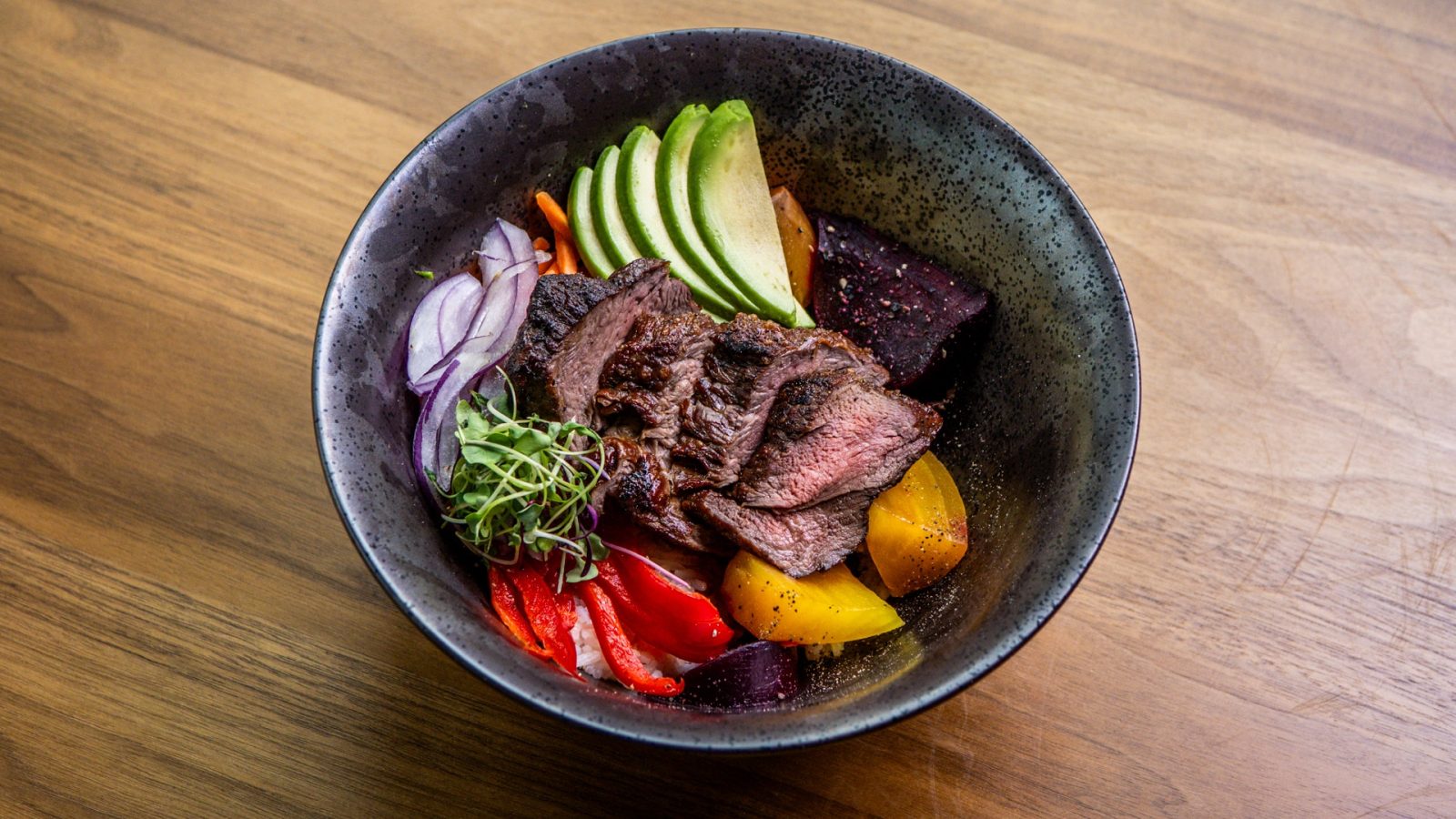
Steak Bowl: Steak for high-quality protein, rice for energy, and vibrant vegetables like beets, peppers, and carrots for anti-inflammatory benefits.
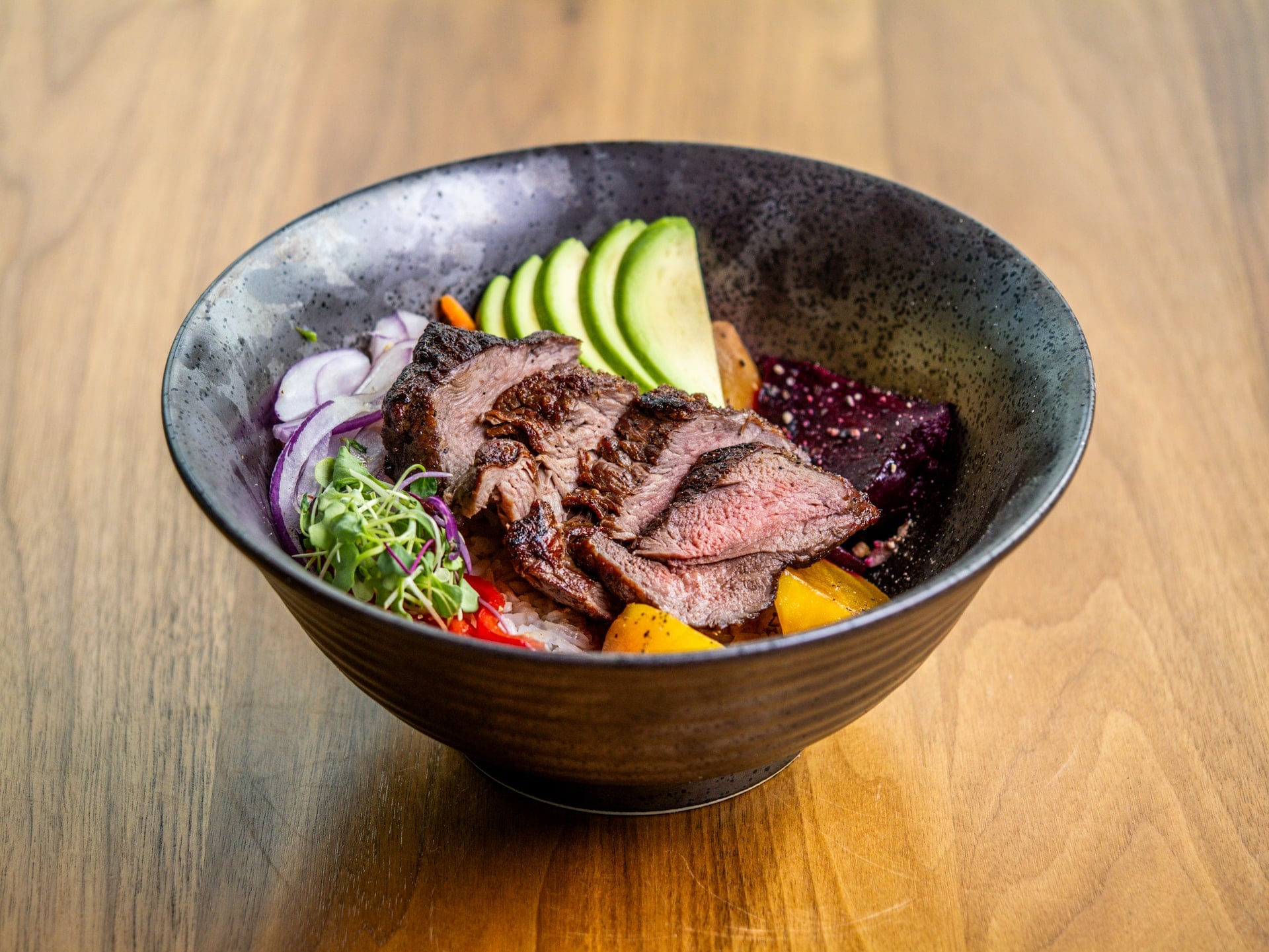
Both plates are crafted to meet the demands of professional athletes, but the same principles apply to everyday athletes.
Timing Tips
Aim to eat within 30 to 60 minutes after training. This window is when your muscles are most receptive to nutrients, helping speed recovery and reduce soreness.
Everyday Athlete Takeaways
You can build your own recovery plate at home:
- Start with a carbohydrate base like rice or sweet potatoes
- Add a lean protein such as chicken, fish, or tofu
- Fill half your plate with colorful vegetables
- Include a small amount of healthy fat like avocado or olive oil
Bottom Line
Recovery is not just about rest. It is about refueling with purpose. A well-balanced plate helps restore energy, repair muscle, and prepare you for the next challenge.
Want to learn more about our foodservice management for sports? Connect with us here.
Sources
1. International Society of Sports Nutrition Position Stand: Nutrient Timing
2. Academy of Nutrition and Dietetics: Nutrition and Athletic Performance
3. USADA Sports Nutrition Guide